Buy ads24.eu ?
We are moving the project
ads24.eu .
Are you interested in purchasing the domain
ads24.eu ?
domain@kv-gmbh.de · 0541-91531010
Buy ads24.eu ?
What are relative clauses and conjunctional clauses?
Relative clauses are clauses that provide additional information about a noun in the main clause. They are introduced by relative pronouns such as "who," "which," "that," and "whom." For example, in the sentence "The book that I read is very interesting," the relative clause "that I read" provides more information about the noun "book." Conjunctional clauses, on the other hand, are clauses that are connected to the main clause by conjunctions such as "and," "but," "or," "if," and "because." They can express relationships such as addition, contrast, alternative, condition, and cause. For example, in the sentence "I will go to the park if the weather is nice," the conjunctional clause "if the weather is nice" expresses a condition for the action in the main clause. **
What are conjunctional clauses, relative clauses, demonstrative clauses, and infinitive clauses?
Conjunctional clauses are dependent clauses that are introduced by a conjunction, such as "because," "although," or "while." They provide additional information about the main clause in a sentence. Relative clauses are also dependent clauses that provide more information about a noun in the main clause. They are introduced by relative pronouns like "who," "which," or "that." Demonstrative clauses are dependent clauses that function as adjectives and provide more information about a noun in the main clause. They are introduced by demonstrative pronouns like "this," "that," "these," or "those." Infinitive clauses are dependent clauses that are formed with an infinitive verb (to + base form of the verb). They can function as nouns, adjectives, or adverbs in a sentence. **


Similar search terms for Conjunctional
Top-Angebote
Products related to Conjunctional:
-
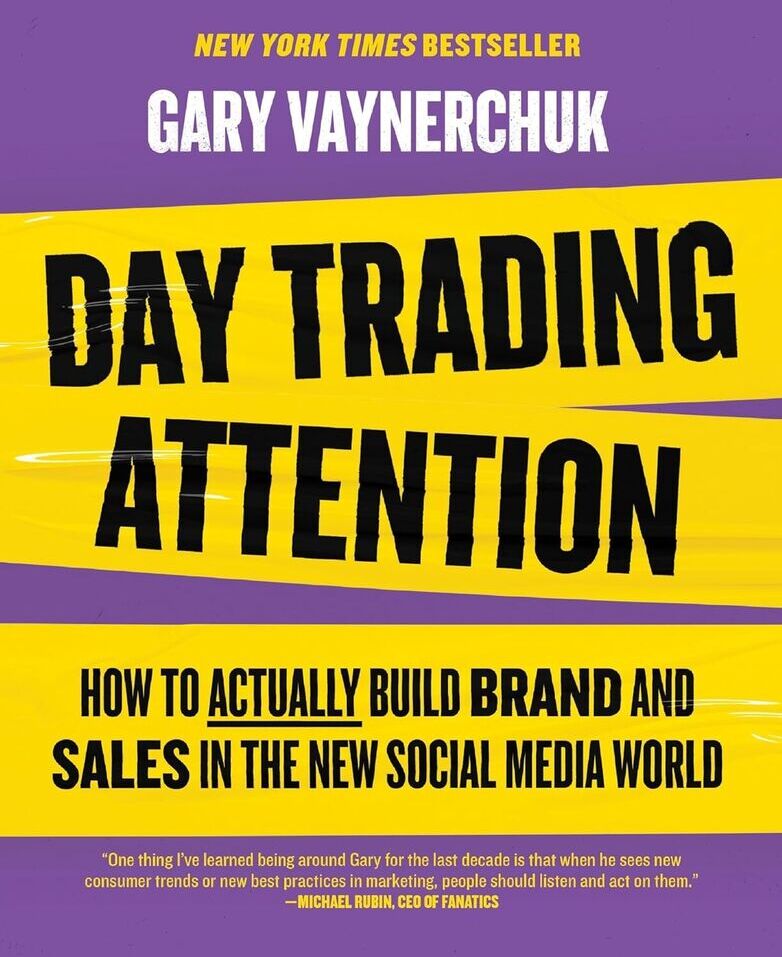
Harper Business Day Trading Attention & Jab Jab Jab Right Hook by Gary Vaynerchuk - Hardcover 2 Book Marketing Set - Business Strategy & Social Media AdvertisingThis two-book bundle brings together Gary Vaynerchuk's most influential marketing titles in one brand-new hardcover set. Day Trading Attention (2024) updates the playbook for today's social platforms, while Jab, Jab, Jab, Right Hook (2013) remains the foundational storytelling guide that built GaryVee's reputation. Together they offer a before-and-after view of how attention, content, and advertising have evolved — essential reading for marketers, founders, and content creators. The books are published by Harper Business and are suitable for adult readers interested in business and marketing.3,89 £*Shipping: 2,99 £Secure redirect to the provider
-
Infinity: Shadow Affairs Campaign - Modiphius Entertainment Printed Campaign BookJoin the war for Paradiso in the Infinity roleplaying game with the Shadow Affairs Campaign. Designed for both new and experienced players, it offers a substantial and balanced experience with detailed maps, structured scenarios, optional side missions, NPCs, equipment, adversaries, and conversion rules for N3 units.17,42 £*Shipping: 3,95 £Secure redirect to the provider
-
VEGAZ ADS-052 Exhaust pressure sensorExhaust System: for vehicles with factory fitted soot -/particulate filter; Construction Year from: 07/2012, 08/2011, 06/2013, 05/2013; Construction Year to: 03/2015, 04/2015, 05/2015; Engine Code: 4N13, 4D56, SHY1, 4M41, EE20Z, 4N14, SHY4, 20Z; Vehicle Identification Number (VIN) from: 16112572,49 £*Shipping: 8,45 £Secure redirect to the provider


-
What is the difference between a relative clause and a conjunctional clause?
A relative clause is a type of subordinate clause that provides additional information about a noun in the main clause. It typically begins with a relative pronoun such as "who," "which," or "that." A conjunctional clause, on the other hand, is a type of subordinate clause that functions as an adverb, connecting two independent clauses. It typically begins with a subordinating conjunction such as "because," "although," or "while." In summary, the main difference between the two is that a relative clause provides additional information about a noun, while a conjunctional clause connects two independent clauses. **
-
What is the difference between a conjunctional clause and an adverbial clause?
A conjunctional clause is a type of dependent clause that begins with a subordinating conjunction, such as "because," "although," or "while." It functions to connect the dependent clause to the independent clause and provide additional information about the main clause. An adverbial clause, on the other hand, is a type of dependent clause that functions as an adverb in the sentence, providing information about the time, place, manner, or condition of the action in the main clause. While both types of clauses are dependent and provide additional information, the key difference is that a conjunctional clause connects the dependent clause to the main clause, while an adverbial clause functions as an adverb in the sentence. **
-
How do I recognize a relative clause, a conjunctional clause, and an interrogative clause?
A relative clause typically starts with a relative pronoun (such as who, whom, whose, which, or that) and provides more information about a noun in the main clause. A conjunctional clause, on the other hand, is introduced by a conjunction (such as and, but, or because) and connects two independent clauses. An interrogative clause is a type of clause that asks a question and is typically introduced by an interrogative pronoun (such as who, what, when, where, why, or how) or an interrogative adverb (such as how, when, or where). **
-
How can I recognize a relative clause, a conjunctional clause, and an interrogative clause?
A relative clause is a type of dependent clause that typically starts with a relative pronoun (such as who, whom, whose, which, or that) and provides additional information about a noun in the main clause. A conjunctional clause, on the other hand, is a dependent clause that functions as an adverb, adjective, or noun in a sentence and is connected to the main clause by a conjunction (such as because, although, if, when, etc.). An interrogative clause is a type of clause that asks a question and typically begins with a question word (such as who, what, where, when, why, or how) or with a helping verb followed by the subject. **


What is Ferrero's marketing strategy?
Ferrero's marketing strategy focuses on creating emotional connections with consumers through storytelling and nostalgia. They emphasize the quality and premium nature of their products, using a combination of traditional and digital marketing channels to reach their target audience. Ferrero also leverages partnerships with popular brands and influencers to increase brand visibility and engagement. Overall, their strategy revolves around building brand loyalty and trust among consumers. **
What is the difference between marketing measures and marketing strategy?
Marketing measures refer to the specific tactics and actions that a company takes to promote its products or services, such as advertising, social media campaigns, or sales promotions. These measures are the specific activities that are implemented to achieve the company's marketing goals. On the other hand, marketing strategy refers to the overall plan or approach that guides the company's marketing efforts. It involves identifying the target market, understanding customer needs, and determining how the company will position its products or services in the market. In essence, marketing measures are the specific actions taken to implement the marketing strategy. **
Top-Angebote
Products related to Conjunctional:
-
Gmt Games Ardennes '44 - Historical Wargame - Campaign Play - Operational-Level StrategyRelive the opening stages of the Battle of the Bulge in this historical wargame from GMT Games. The game covers the German offensive from 16 to 26 December 1944, as German forces attempt to break through the Ardennes, cross the Meuse, and advance towards Antwerp. Players must contend with historical objectives, changing lines of attack, and the determined Allied defense around locations including Bastogne and St Vith. The fourth edition includes a detailed order of battle, a full campaign scenario, and two shorter scenarios focusing on the initial German attack. Designed by Mark Simonitch, intended for players interested in operational-level Second World War strategy.47,95 £*Shipping: 3,95 £Secure redirect to the provider
-
Various Publishers 22 Immutable Laws Branding, Marketing & Positioning 3 Book Set by Al Ries, Jack Trout & Laura Ries - Paperback Business Strategy ClassicsThis three-book paperback set brings together three influential marketing texts written by Al Ries alongside collaborators Jack Trout and Laura Ries. The collection distils decades of branding and marketing strategy into short, memorable 'laws' and case studies. The set includes The 22 Immutable Laws of Branding, The 22 Immutable Laws of Marketing, and Positioning: The Battle for Your Mind. Ideal for business students, entrepreneurs, marketers, and anyone building a brand, it's a practical, portable reference library that has shaped how the modern business world thinks about positioning, branding, and market leadership.28,99 £*Shipping: 2,99 £Secure redirect to the provider
-
Harper Business Day Trading Attention & Jab Jab Jab Right Hook by Gary Vaynerchuk - Hardcover 2 Book Marketing Set - Business Strategy & Social Media AdvertisingThis two-book bundle brings together Gary Vaynerchuk's most influential marketing titles in one brand-new hardcover set. Day Trading Attention (2024) updates the playbook for today's social platforms, while Jab, Jab, Jab, Right Hook (2013) remains the foundational storytelling guide that built GaryVee's reputation. Together they offer a before-and-after view of how attention, content, and advertising have evolved — essential reading for marketers, founders, and content creators. The books are published by Harper Business and are suitable for adult readers interested in business and marketing.3,89 £*Shipping: 2,99 £Secure redirect to the provider
-
Infinity: Shadow Affairs Campaign - Modiphius Entertainment Printed Campaign BookJoin the war for Paradiso in the Infinity roleplaying game with the Shadow Affairs Campaign. Designed for both new and experienced players, it offers a substantial and balanced experience with detailed maps, structured scenarios, optional side missions, NPCs, equipment, adversaries, and conversion rules for N3 units.17,42 £*Shipping: 3,95 £Secure redirect to the provider
-
What are relative clauses and conjunctional clauses?
Relative clauses are clauses that provide additional information about a noun in the main clause. They are introduced by relative pronouns such as "who," "which," "that," and "whom." For example, in the sentence "The book that I read is very interesting," the relative clause "that I read" provides more information about the noun "book." Conjunctional clauses, on the other hand, are clauses that are connected to the main clause by conjunctions such as "and," "but," "or," "if," and "because." They can express relationships such as addition, contrast, alternative, condition, and cause. For example, in the sentence "I will go to the park if the weather is nice," the conjunctional clause "if the weather is nice" expresses a condition for the action in the main clause. **
-
What are conjunctional clauses, relative clauses, demonstrative clauses, and infinitive clauses?
Conjunctional clauses are dependent clauses that are introduced by a conjunction, such as "because," "although," or "while." They provide additional information about the main clause in a sentence. Relative clauses are also dependent clauses that provide more information about a noun in the main clause. They are introduced by relative pronouns like "who," "which," or "that." Demonstrative clauses are dependent clauses that function as adjectives and provide more information about a noun in the main clause. They are introduced by demonstrative pronouns like "this," "that," "these," or "those." Infinitive clauses are dependent clauses that are formed with an infinitive verb (to + base form of the verb). They can function as nouns, adjectives, or adverbs in a sentence. **
-
What is the difference between a relative clause and a conjunctional clause?
A relative clause is a type of subordinate clause that provides additional information about a noun in the main clause. It typically begins with a relative pronoun such as "who," "which," or "that." A conjunctional clause, on the other hand, is a type of subordinate clause that functions as an adverb, connecting two independent clauses. It typically begins with a subordinating conjunction such as "because," "although," or "while." In summary, the main difference between the two is that a relative clause provides additional information about a noun, while a conjunctional clause connects two independent clauses. **
-
What is the difference between a conjunctional clause and an adverbial clause?
A conjunctional clause is a type of dependent clause that begins with a subordinating conjunction, such as "because," "although," or "while." It functions to connect the dependent clause to the independent clause and provide additional information about the main clause. An adverbial clause, on the other hand, is a type of dependent clause that functions as an adverb in the sentence, providing information about the time, place, manner, or condition of the action in the main clause. While both types of clauses are dependent and provide additional information, the key difference is that a conjunctional clause connects the dependent clause to the main clause, while an adverbial clause functions as an adverb in the sentence. **
Similar search terms for Conjunctional
-
VEGAZ ADS-052 Exhaust pressure sensorExhaust System: for vehicles with factory fitted soot -/particulate filter; Construction Year from: 07/2012, 08/2011, 06/2013, 05/2013; Construction Year to: 03/2015, 04/2015, 05/2015; Engine Code: 4N13, 4D56, SHY1, 4M41, EE20Z, 4N14, SHY4, 20Z; Vehicle Identification Number (VIN) from: 16112572,49 £*Shipping: 8,45 £Secure redirect to the provider
-
No Marketing Systems Wood Corner Desk"The corner desk measures 42"" X 28"" X 30"" And Weighs 42 lbs. Arrives with only minimal Assembly required. Comfortably fitting in any home, studio, apartment, and office, The small corner writing desk maximizes space in compact rooms."257,04 $*Shipping: 0,00 $Secure redirect to the provider
-
Curasept ADS 310 periodontal gel 30 mlCurasept ADS 310, 30 ml, Tooth and gum gels for Women, The Curasept ADS 310 special treatment is a great complement to your regular dental hygiene routine. Characteristics: has a soothing effect also suitable for people with sensitive teeth and gums the consistency allows for easy application eliminates plaque soothes gums How to use: Use according to the instructions included.7,99 £*Shipping: 3,99 £Secure redirect to the provider
-
How do I recognize a relative clause, a conjunctional clause, and an interrogative clause?
A relative clause typically starts with a relative pronoun (such as who, whom, whose, which, or that) and provides more information about a noun in the main clause. A conjunctional clause, on the other hand, is introduced by a conjunction (such as and, but, or because) and connects two independent clauses. An interrogative clause is a type of clause that asks a question and is typically introduced by an interrogative pronoun (such as who, what, when, where, why, or how) or an interrogative adverb (such as how, when, or where). **
-
How can I recognize a relative clause, a conjunctional clause, and an interrogative clause?
A relative clause is a type of dependent clause that typically starts with a relative pronoun (such as who, whom, whose, which, or that) and provides additional information about a noun in the main clause. A conjunctional clause, on the other hand, is a dependent clause that functions as an adverb, adjective, or noun in a sentence and is connected to the main clause by a conjunction (such as because, although, if, when, etc.). An interrogative clause is a type of clause that asks a question and typically begins with a question word (such as who, what, where, when, why, or how) or with a helping verb followed by the subject. **
-
What is Ferrero's marketing strategy?
Ferrero's marketing strategy focuses on creating emotional connections with consumers through storytelling and nostalgia. They emphasize the quality and premium nature of their products, using a combination of traditional and digital marketing channels to reach their target audience. Ferrero also leverages partnerships with popular brands and influencers to increase brand visibility and engagement. Overall, their strategy revolves around building brand loyalty and trust among consumers. **
-
What is the difference between marketing measures and marketing strategy?
Marketing measures refer to the specific tactics and actions that a company takes to promote its products or services, such as advertising, social media campaigns, or sales promotions. These measures are the specific activities that are implemented to achieve the company's marketing goals. On the other hand, marketing strategy refers to the overall plan or approach that guides the company's marketing efforts. It involves identifying the target market, understanding customer needs, and determining how the company will position its products or services in the market. In essence, marketing measures are the specific actions taken to implement the marketing strategy. **
* All prices are inclusive of VAT and, if applicable, plus shipping costs. The offer information is based on the details provided by the respective shop and is updated through automated processes. Real-time updates do not occur, so deviations can occur in individual cases. ** Note: Parts of this content were created by AI.