Buy ads24.eu ?
We are moving the project
ads24.eu .
Are you interested in purchasing the domain
ads24.eu ?
domain@kv-gmbh.de · 0541-91531010
Buy ads24.eu ?
What are Byzantine relations?
Byzantine relations refer to the diplomatic, political, and cultural interactions between the Byzantine Empire and other states or entities. These relations were crucial for the Byzantine Empire's survival and influence, as they involved alliances, treaties, trade agreements, and military cooperation with neighboring powers such as the Roman Empire, Persia, Arab Caliphates, and various European kingdoms. Byzantine relations also involved religious and cultural exchanges, as the Byzantine Empire played a significant role in spreading Christianity and preserving classical knowledge. These relations were often complex and constantly evolving, shaping the empire's foreign policy and its place in the wider world. **
Does anyone know of a Byzantine goat?
There is no specific mention of a "Byzantine goat" in historical records or literature. However, goats were commonly raised and used for their milk, meat, and wool in the Byzantine Empire. They were an important part of the agricultural economy and daily life of the Byzantine people. While there may not be a specific goat known as the "Byzantine goat," goats were certainly a familiar sight in Byzantine society. **


Similar search terms for Byzantine
Top-Angebote
Products related to Byzantine:
-
Multicon Wholesale Hub Sterling Silver Adjustable Byzantine Chain Bolo Bracelet For Women, Perfect Gift, Adjustable Sterling Silver Adjustable Byzantine Chain Bolo Bracelet For Women, Perfect Gift, AdjustableDiscover timeless elegance with the Sterling Silver Adjustable Byzantine Chain Bolo Bracelet for Women. Crafted in highquality 925 sterling silver, this bracelet is the perfect combination of style, sophistication, and practicality. Whether youre...99,97 $*Shipping: 0,00 $Secure redirect to the provider
-
Multicon Wholesale Hub Gold Mechanic Byzantine Bracelet, Men's Stainless Steel Link Chain For Modern Elegance Gold Mechanic Byzantine Bracelet, Men's Stainless Steel Link Chain For Modern EleganceElevate your style with the Men's Stainless Steel 8MM Gold Mechanic Byzantine Bracelet, a sophisticated accessory designed for the modern man who values both elegance and durability. Crafted with highquality stainless steel, this gold bracelet...59,97 $*Shipping: 0,00 $Secure redirect to the provider
-
ModernMart Gothic Byzantine Style Earrings, Art Large Long Earrings Woman's, Vintage Cross Dangle Stud, Exquisite Jewelry Gift Gothic Byzantine Style Earrings, Art Large Long Earrings Woman's, Vintage Cross Dangle Stud, Exquisite Jewelry GiftExperience timeless elegance and bold artistry with these Vintage Cross Dangle Stud earrings crafted in a Gothic Byzantine Style. Designed to command attention, these Art Large Long Earrings Woman's jewelry pieces showcase detailed craftsmanship,...24,97 $*Shipping: 0,00 $Secure redirect to the provider
-
Multicon Wholesale Hub Gold And Silver Men's Stainless Steel Byzantine Bracelet, Link Chain, Mechanic Inspired, Perfect Gift For Him Gold And Silver Men's Stainless Steel Byzantine Bracelet, Link Chain, Mechanic Inspired, Perfect Gift For HimIntroducing our Men's Stainless Steel Silver & Gold Mechanic Byzantine Bracelet Link Chain, a true embodiment of durability, elegance, and sophistication. This 8.5inch bracelet is crafted with highquality stainless steel, offering longlasting wear...51,97 $*Shipping: 0,00 $Secure redirect to the provider


-
What is meant by the Byzantine bureaucracy?
The Byzantine bureaucracy refers to the administrative system of the Byzantine Empire, which was highly organized and centralized. It was characterized by a complex hierarchy of officials and administrators who were responsible for managing the empire's vast territories, collecting taxes, enforcing laws, and overseeing various aspects of governance. The bureaucracy played a crucial role in maintaining the stability and functioning of the Byzantine state, and it was known for its efficiency and effectiveness in managing the empire's affairs. The Byzantine bureaucracy was also known for its use of intricate protocols and formalities, which contributed to the empire's reputation for elaborate ceremonial and court etiquette. **
-
Was the Byzantine Empire more Roman or Greek?
The Byzantine Empire was a blend of both Roman and Greek influences. While it was founded by the Roman Emperor Constantine and maintained Roman administrative structures, it also adopted many aspects of Greek culture, language, and art. The Byzantine Empire's official language was Greek, and its Christian religion was heavily influenced by Greek Orthodox traditions. Overall, the Byzantine Empire can be seen as a continuation of the Roman Empire with strong Greek cultural influences. **
-
Could the Byzantine Empire have restored the Roman Empire?
The Byzantine Empire, also known as the Eastern Roman Empire, was a continuation of the Roman Empire in the east. While the Byzantine Empire did manage to preserve many aspects of Roman culture and institutions, it faced numerous challenges that made restoring the Roman Empire in its entirety unlikely. The Western Roman Empire had already collapsed by the time the Byzantine Empire reached its height, and the Byzantines faced constant threats from external invasions, internal strife, and economic difficulties. Additionally, the Byzantine Empire had a different cultural and religious identity than the Western Roman Empire, making a full restoration of the Roman Empire under Byzantine rule improbable. **
-
Are there differences between the Roman and Byzantine Empires?
Yes, there are several differences between the Roman and Byzantine Empires. The Roman Empire was known for its vast territorial expansion and emphasis on military conquest, while the Byzantine Empire focused more on maintaining and consolidating its existing territories. The Roman Empire was predominantly pagan before adopting Christianity, while the Byzantine Empire was a stronghold of Christianity. Additionally, the Byzantine Empire had a more centralized and bureaucratic government compared to the Roman Empire's more decentralized system. **

What nationality did the Byzantine Emperor Justinian I have?
Byzantine Emperor Justinian I was of Illyrian descent, which is an ancient ethnic group that inhabited the western Balkans. Illyrians were known for their warrior culture and were one of the earliest known groups to inhabit the region. Justinian I was born in Tauresium, Illyria, which is located in modern-day North Macedonia. **
What was the nationality of the Byzantine Emperor Justinian I?
Justinian I was a Byzantine Emperor, and the Byzantine Empire was the continuation of the Eastern Roman Empire. Therefore, Justinian I was of Roman nationality, as the Byzantine Empire considered itself the rightful heir to the Roman Empire. However, it is important to note that during Justinian's time, the concept of nationality was different from how we understand it today, and the people of the Byzantine Empire identified themselves as Romans. **
Top-Angebote
Products related to Byzantine:
-
Style Haven Manchester Byzantine Medallion Fringe Area RugAdorn your home with the traditional elegance of this gorgeous area rug. Featuring an intricate medallion pattern in primary shades of brown and black, the rug enhances any space with classic sophistication.199,78 $*Shipping: 0,00 $Secure redirect to the provider
-
Multicon Wholesale Hub Oxidized Sterling Silver Byzantine Chain Bracelet, 6MM Width, Hook Clasp, Unisex Bracelet Oxidized Sterling Silver Byzantine Chain Bracelet, 6MM Width, Hook Clasp, Unisex BraceletDiscover the elegance of the Sterling Silver Oxidized Byzantine Chain Bracelet, an exquisite piece that combines timeless style and modern durability. Crafted with precision and care, this bracelet is perfect for both men and women, adding a touch...94,97 $*Shipping: 0,00 $Secure redirect to the provider
-
Multicon Wholesale Hub Sterling Silver Adjustable Byzantine Chain Bolo Bracelet For Women, Perfect Gift, Adjustable Sterling Silver Adjustable Byzantine Chain Bolo Bracelet For Women, Perfect Gift, AdjustableDiscover timeless elegance with the Sterling Silver Adjustable Byzantine Chain Bolo Bracelet for Women. Crafted in highquality 925 sterling silver, this bracelet is the perfect combination of style, sophistication, and practicality. Whether youre...99,97 $*Shipping: 0,00 $Secure redirect to the provider
-
Multicon Wholesale Hub Gold Mechanic Byzantine Bracelet, Men's Stainless Steel Link Chain For Modern Elegance Gold Mechanic Byzantine Bracelet, Men's Stainless Steel Link Chain For Modern EleganceElevate your style with the Men's Stainless Steel 8MM Gold Mechanic Byzantine Bracelet, a sophisticated accessory designed for the modern man who values both elegance and durability. Crafted with highquality stainless steel, this gold bracelet...59,97 $*Shipping: 0,00 $Secure redirect to the provider
-
What are Byzantine relations?
Byzantine relations refer to the diplomatic, political, and cultural interactions between the Byzantine Empire and other states or entities. These relations were crucial for the Byzantine Empire's survival and influence, as they involved alliances, treaties, trade agreements, and military cooperation with neighboring powers such as the Roman Empire, Persia, Arab Caliphates, and various European kingdoms. Byzantine relations also involved religious and cultural exchanges, as the Byzantine Empire played a significant role in spreading Christianity and preserving classical knowledge. These relations were often complex and constantly evolving, shaping the empire's foreign policy and its place in the wider world. **
-
Does anyone know of a Byzantine goat?
There is no specific mention of a "Byzantine goat" in historical records or literature. However, goats were commonly raised and used for their milk, meat, and wool in the Byzantine Empire. They were an important part of the agricultural economy and daily life of the Byzantine people. While there may not be a specific goat known as the "Byzantine goat," goats were certainly a familiar sight in Byzantine society. **
-
What is meant by the Byzantine bureaucracy?
The Byzantine bureaucracy refers to the administrative system of the Byzantine Empire, which was highly organized and centralized. It was characterized by a complex hierarchy of officials and administrators who were responsible for managing the empire's vast territories, collecting taxes, enforcing laws, and overseeing various aspects of governance. The bureaucracy played a crucial role in maintaining the stability and functioning of the Byzantine state, and it was known for its efficiency and effectiveness in managing the empire's affairs. The Byzantine bureaucracy was also known for its use of intricate protocols and formalities, which contributed to the empire's reputation for elaborate ceremonial and court etiquette. **
-
Was the Byzantine Empire more Roman or Greek?
The Byzantine Empire was a blend of both Roman and Greek influences. While it was founded by the Roman Emperor Constantine and maintained Roman administrative structures, it also adopted many aspects of Greek culture, language, and art. The Byzantine Empire's official language was Greek, and its Christian religion was heavily influenced by Greek Orthodox traditions. Overall, the Byzantine Empire can be seen as a continuation of the Roman Empire with strong Greek cultural influences. **
Similar search terms for Byzantine
-
ModernMart Gothic Byzantine Style Earrings, Art Large Long Earrings Woman's, Vintage Cross Dangle Stud, Exquisite Jewelry Gift Gothic Byzantine Style Earrings, Art Large Long Earrings Woman's, Vintage Cross Dangle Stud, Exquisite Jewelry GiftExperience timeless elegance and bold artistry with these Vintage Cross Dangle Stud earrings crafted in a Gothic Byzantine Style. Designed to command attention, these Art Large Long Earrings Woman's jewelry pieces showcase detailed craftsmanship,...24,97 $*Shipping: 0,00 $Secure redirect to the provider
-
Multicon Wholesale Hub Gold And Silver Men's Stainless Steel Byzantine Bracelet, Link Chain, Mechanic Inspired, Perfect Gift For Him Gold And Silver Men's Stainless Steel Byzantine Bracelet, Link Chain, Mechanic Inspired, Perfect Gift For HimIntroducing our Men's Stainless Steel Silver & Gold Mechanic Byzantine Bracelet Link Chain, a true embodiment of durability, elegance, and sophistication. This 8.5inch bracelet is crafted with highquality stainless steel, offering longlasting wear...51,97 $*Shipping: 0,00 $Secure redirect to the provider
-
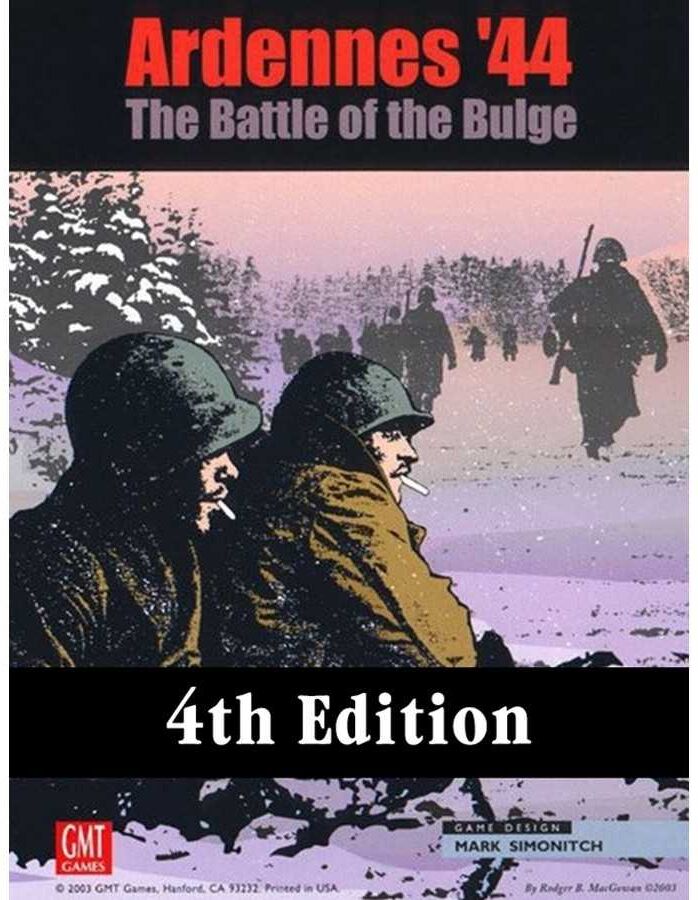
Gmt Games Ardennes '44 - Historical Wargame - Campaign Play - Operational-Level StrategyRelive the opening stages of the Battle of the Bulge in this historical wargame from GMT Games. The game covers the German offensive from 16 to 26 December 1944, as German forces attempt to break through the Ardennes, cross the Meuse, and advance towards Antwerp. Players must contend with historical objectives, changing lines of attack, and the determined Allied defense around locations including Bastogne and St Vith. The fourth edition includes a detailed order of battle, a full campaign scenario, and two shorter scenarios focusing on the initial German attack. Designed by Mark Simonitch, intended for players interested in operational-level Second World War strategy.47,95 £*Shipping: 3,95 £Secure redirect to the provider
-
Various Publishers 22 Immutable Laws Branding, Marketing & Positioning 3 Book Set by Al Ries, Jack Trout & Laura Ries - Paperback Business Strategy ClassicsThis three-book paperback set brings together three influential marketing texts written by Al Ries alongside collaborators Jack Trout and Laura Ries. The collection distils decades of branding and marketing strategy into short, memorable 'laws' and case studies. The set includes The 22 Immutable Laws of Branding, The 22 Immutable Laws of Marketing, and Positioning: The Battle for Your Mind. Ideal for business students, entrepreneurs, marketers, and anyone building a brand, it's a practical, portable reference library that has shaped how the modern business world thinks about positioning, branding, and market leadership.28,99 £*Shipping: 2,99 £Secure redirect to the provider
-
Could the Byzantine Empire have restored the Roman Empire?
The Byzantine Empire, also known as the Eastern Roman Empire, was a continuation of the Roman Empire in the east. While the Byzantine Empire did manage to preserve many aspects of Roman culture and institutions, it faced numerous challenges that made restoring the Roman Empire in its entirety unlikely. The Western Roman Empire had already collapsed by the time the Byzantine Empire reached its height, and the Byzantines faced constant threats from external invasions, internal strife, and economic difficulties. Additionally, the Byzantine Empire had a different cultural and religious identity than the Western Roman Empire, making a full restoration of the Roman Empire under Byzantine rule improbable. **
-
Are there differences between the Roman and Byzantine Empires?
Yes, there are several differences between the Roman and Byzantine Empires. The Roman Empire was known for its vast territorial expansion and emphasis on military conquest, while the Byzantine Empire focused more on maintaining and consolidating its existing territories. The Roman Empire was predominantly pagan before adopting Christianity, while the Byzantine Empire was a stronghold of Christianity. Additionally, the Byzantine Empire had a more centralized and bureaucratic government compared to the Roman Empire's more decentralized system. **
-
What nationality did the Byzantine Emperor Justinian I have?
Byzantine Emperor Justinian I was of Illyrian descent, which is an ancient ethnic group that inhabited the western Balkans. Illyrians were known for their warrior culture and were one of the earliest known groups to inhabit the region. Justinian I was born in Tauresium, Illyria, which is located in modern-day North Macedonia. **
-
What was the nationality of the Byzantine Emperor Justinian I?
Justinian I was a Byzantine Emperor, and the Byzantine Empire was the continuation of the Eastern Roman Empire. Therefore, Justinian I was of Roman nationality, as the Byzantine Empire considered itself the rightful heir to the Roman Empire. However, it is important to note that during Justinian's time, the concept of nationality was different from how we understand it today, and the people of the Byzantine Empire identified themselves as Romans. **
* All prices are inclusive of VAT and, if applicable, plus shipping costs. The offer information is based on the details provided by the respective shop and is updated through automated processes. Real-time updates do not occur, so deviations can occur in individual cases. ** Note: Parts of this content were created by AI.