Buy ads24.eu ?
We are moving the project
ads24.eu .
Are you interested in purchasing the domain
ads24.eu ?
domain@kv-gmbh.de · 0541-91531010
Buy ads24.eu ?
From when does assets count as exempt assets?
Assets are considered exempt assets when they meet specific criteria set by the government or relevant authorities. These criteria may include the type of asset, its value, and the purpose for which it is held. Exempt assets are typically protected from being seized or liquidated in certain situations, such as bankruptcy or legal proceedings. It is important to understand the rules and regulations governing exempt assets to ensure proper protection and planning for financial security. **
What is the difference between net assets and operating assets?
Net assets refer to the total assets of a company minus its total liabilities, representing the company's equity or ownership value. On the other hand, operating assets are the assets that a company uses in its day-to-day operations to generate revenue. Operating assets are a subset of net assets and include items such as inventory, equipment, and accounts receivable. In summary, net assets represent the overall financial position of a company, while operating assets specifically pertain to the assets used in the company's core business activities. **


Similar search terms for Assets
Top-Angebote
Products related to Assets:
-
Gmt Games Ardennes '44 - Historical Wargame - Campaign Play - Operational-Level StrategyRelive the opening stages of the Battle of the Bulge in this historical wargame from GMT Games. The game covers the German offensive from 16 to 26 December 1944, as German forces attempt to break through the Ardennes, cross the Meuse, and advance towards Antwerp. Players must contend with historical objectives, changing lines of attack, and the determined Allied defense around locations including Bastogne and St Vith. The fourth edition includes a detailed order of battle, a full campaign scenario, and two shorter scenarios focusing on the initial German attack. Designed by Mark Simonitch, intended for players interested in operational-level Second World War strategy.47,95 £*Shipping: 3,95 £Secure redirect to the provider
-
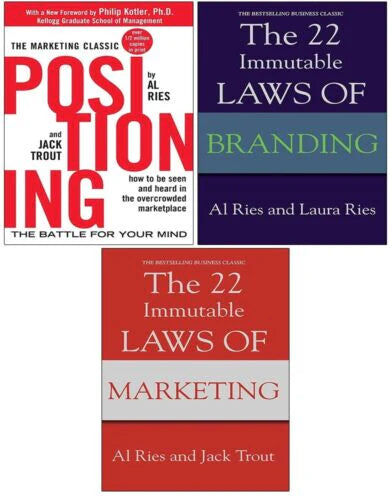
Various Publishers 22 Immutable Laws Branding, Marketing & Positioning 3 Book Set by Al Ries, Jack Trout & Laura Ries - Paperback Business Strategy ClassicsThis three-book paperback set brings together three influential marketing texts written by Al Ries alongside collaborators Jack Trout and Laura Ries. The collection distils decades of branding and marketing strategy into short, memorable 'laws' and case studies. The set includes The 22 Immutable Laws of Branding, The 22 Immutable Laws of Marketing, and Positioning: The Battle for Your Mind. Ideal for business students, entrepreneurs, marketers, and anyone building a brand, it's a practical, portable reference library that has shaped how the modern business world thinks about positioning, branding, and market leadership.28,99 £*Shipping: 2,99 £Secure redirect to the provider
-
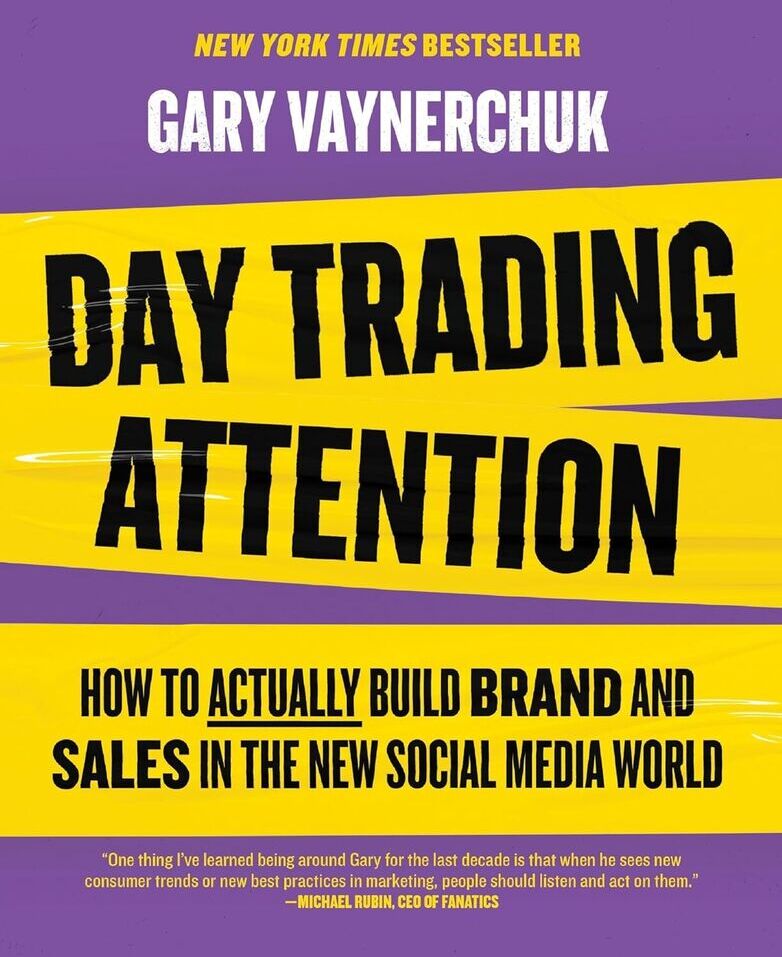
Harper Business Day Trading Attention & Jab Jab Jab Right Hook by Gary Vaynerchuk - Hardcover 2 Book Marketing Set - Business Strategy & Social Media AdvertisingThis two-book bundle brings together Gary Vaynerchuk's most influential marketing titles in one brand-new hardcover set. Day Trading Attention (2024) updates the playbook for today's social platforms, while Jab, Jab, Jab, Right Hook (2013) remains the foundational storytelling guide that built GaryVee's reputation. Together they offer a before-and-after view of how attention, content, and advertising have evolved — essential reading for marketers, founders, and content creators. The books are published by Harper Business and are suitable for adult readers interested in business and marketing.3,89 £*Shipping: 2,99 £Secure redirect to the provider


-
What is the difference between fixed assets and current assets?
Fixed assets are long-term assets that a company owns and uses to generate revenue, such as buildings, machinery, and equipment. These assets are not easily converted into cash and are expected to provide benefits to the company for more than one year. On the other hand, current assets are short-term assets that can be easily converted into cash within one year, such as cash, accounts receivable, and inventory. Current assets are used to support the day-to-day operations of a business and are essential for its liquidity and short-term financial health. **
-
What is the difference between current assets and fixed assets?
Current assets are assets that are expected to be converted into cash or used up within one year, such as cash, accounts receivable, and inventory. Fixed assets, on the other hand, are long-term assets that are not expected to be converted into cash within one year, such as property, plant, and equipment. In summary, current assets are short-term assets that are expected to be used up or converted into cash within one year, while fixed assets are long-term assets that are used to generate income over a longer period of time. **
-
How is equity, debt capital, current assets, and fixed assets combined?
Equity, debt capital, current assets, and fixed assets are combined on a company's balance sheet. Equity represents the ownership interest of the shareholders, while debt capital represents the funds borrowed by the company. Current assets, such as cash, inventory, and accounts receivable, are combined with fixed assets, such as property, plant, and equipment, to represent the total assets of the company. These components are combined to provide a snapshot of the company's financial position and to show how the company has financed its operations and investments. **
-
What are brand assets?
Brand assets are the elements that contribute to the overall value and recognition of a brand. These can include tangible assets such as logos, slogans, and packaging, as well as intangible assets like brand reputation, customer loyalty, and brand associations. Brand assets help to differentiate a brand from its competitors, build brand awareness, and create a strong brand identity in the minds of consumers. They are essential for establishing a brand's presence in the market and fostering long-term relationships with customers. **

What are special assets?
Special assets refer to unique or high-value assets that require special attention and management due to their distinct characteristics or significance. These assets may include rare collectibles, high-end real estate, valuable intellectual property, or unique investment opportunities. Special assets often require specialized expertise and strategic planning to maximize their value and mitigate risks. Proper management of special assets is essential to ensure their preservation and to capitalize on their potential for long-term growth and financial success. **
What are fixed assets?
Fixed assets are long-term tangible assets that are used in the production of goods and services and are not intended for sale. These assets are essential for the operation of a business and are expected to provide benefits for more than one year. Examples of fixed assets include buildings, machinery, equipment, land, and vehicles. Fixed assets are recorded on the balance sheet and are typically depreciated over their useful life to reflect their gradual consumption or obsolescence. **
Top-Angebote
Products related to Assets:
-
Grandpa Beck’s Games Cover Your Assets Card Game - Easy Matching Stealing Game for Family 8+Lively card game for family and friends. Players match and steal sets of valuables. Includes piggy banks, jewelry, classic cars. 4-6 players. Ages 7+. Easy-to-learn gameplay.13,69 £*Shipping: 3,95 £Secure redirect to the provider
-
Plata Publishing FAKE: Fake Money, Fake Teachers, Fake Assets & Rich Dad Poor Dad By Robert T. Kiyosaki 2 Books Collection SetFAKE: Fake Money, Fake Teachers, Fake Assets & Rich Dad Poor Dad By Robert T. Kiyosaki 2 Books Collection Set: FAKE: Fake Money, Fake Teachers, Fake Assets: In FAKE: Fake Money, Fake Teachers, Fake Assets, Robert delivers insights and answers that help ordinary people―who probably haven’t had a lot of financial education―determine what’s ‘real’ and relevant to their financial lives. Every day we are bombarded with news reports and information and opinions… How do we decipher fact from fiction? How do we differentiate between truth and lies? And determine what’s real… from what isn’t? Kiyosaki believes that it starts with education, financial education designed to make us smarter with our money―and able to fight what’s fake and use what isn’t to secure our financial future. Rich Dad Poor Dad: Rich Dad Poor Dad is Robert's story of growing up with two dads — his real father and the father of his best friend, his rich dad — and the ways in which both men shaped his thoughts about money and investing. The book explodes the myth that you need to earn a high income to be rich and explains the difference between working for money and having your money work for you.12,95 £*Shipping: 2,99 £Secure redirect to the provider
-
Gmt Games Ardennes '44 - Historical Wargame - Campaign Play - Operational-Level StrategyRelive the opening stages of the Battle of the Bulge in this historical wargame from GMT Games. The game covers the German offensive from 16 to 26 December 1944, as German forces attempt to break through the Ardennes, cross the Meuse, and advance towards Antwerp. Players must contend with historical objectives, changing lines of attack, and the determined Allied defense around locations including Bastogne and St Vith. The fourth edition includes a detailed order of battle, a full campaign scenario, and two shorter scenarios focusing on the initial German attack. Designed by Mark Simonitch, intended for players interested in operational-level Second World War strategy.47,95 £*Shipping: 3,95 £Secure redirect to the provider
-
Various Publishers 22 Immutable Laws Branding, Marketing & Positioning 3 Book Set by Al Ries, Jack Trout & Laura Ries - Paperback Business Strategy ClassicsThis three-book paperback set brings together three influential marketing texts written by Al Ries alongside collaborators Jack Trout and Laura Ries. The collection distils decades of branding and marketing strategy into short, memorable 'laws' and case studies. The set includes The 22 Immutable Laws of Branding, The 22 Immutable Laws of Marketing, and Positioning: The Battle for Your Mind. Ideal for business students, entrepreneurs, marketers, and anyone building a brand, it's a practical, portable reference library that has shaped how the modern business world thinks about positioning, branding, and market leadership.28,99 £*Shipping: 2,99 £Secure redirect to the provider
-
From when does assets count as exempt assets?
Assets are considered exempt assets when they meet specific criteria set by the government or relevant authorities. These criteria may include the type of asset, its value, and the purpose for which it is held. Exempt assets are typically protected from being seized or liquidated in certain situations, such as bankruptcy or legal proceedings. It is important to understand the rules and regulations governing exempt assets to ensure proper protection and planning for financial security. **
-
What is the difference between net assets and operating assets?
Net assets refer to the total assets of a company minus its total liabilities, representing the company's equity or ownership value. On the other hand, operating assets are the assets that a company uses in its day-to-day operations to generate revenue. Operating assets are a subset of net assets and include items such as inventory, equipment, and accounts receivable. In summary, net assets represent the overall financial position of a company, while operating assets specifically pertain to the assets used in the company's core business activities. **
-
What is the difference between fixed assets and current assets?
Fixed assets are long-term assets that a company owns and uses to generate revenue, such as buildings, machinery, and equipment. These assets are not easily converted into cash and are expected to provide benefits to the company for more than one year. On the other hand, current assets are short-term assets that can be easily converted into cash within one year, such as cash, accounts receivable, and inventory. Current assets are used to support the day-to-day operations of a business and are essential for its liquidity and short-term financial health. **
-
What is the difference between current assets and fixed assets?
Current assets are assets that are expected to be converted into cash or used up within one year, such as cash, accounts receivable, and inventory. Fixed assets, on the other hand, are long-term assets that are not expected to be converted into cash within one year, such as property, plant, and equipment. In summary, current assets are short-term assets that are expected to be used up or converted into cash within one year, while fixed assets are long-term assets that are used to generate income over a longer period of time. **
Similar search terms for Assets
-
Harper Business Day Trading Attention & Jab Jab Jab Right Hook by Gary Vaynerchuk - Hardcover 2 Book Marketing Set - Business Strategy & Social Media AdvertisingThis two-book bundle brings together Gary Vaynerchuk's most influential marketing titles in one brand-new hardcover set. Day Trading Attention (2024) updates the playbook for today's social platforms, while Jab, Jab, Jab, Right Hook (2013) remains the foundational storytelling guide that built GaryVee's reputation. Together they offer a before-and-after view of how attention, content, and advertising have evolved — essential reading for marketers, founders, and content creators. The books are published by Harper Business and are suitable for adult readers interested in business and marketing.3,89 £*Shipping: 2,99 £Secure redirect to the provider
-
Infinity: Shadow Affairs Campaign - Modiphius Entertainment Printed Campaign BookJoin the war for Paradiso in the Infinity roleplaying game with the Shadow Affairs Campaign. Designed for both new and experienced players, it offers a substantial and balanced experience with detailed maps, structured scenarios, optional side missions, NPCs, equipment, adversaries, and conversion rules for N3 units.17,64 £*Shipping: 3,95 £Secure redirect to the provider
-
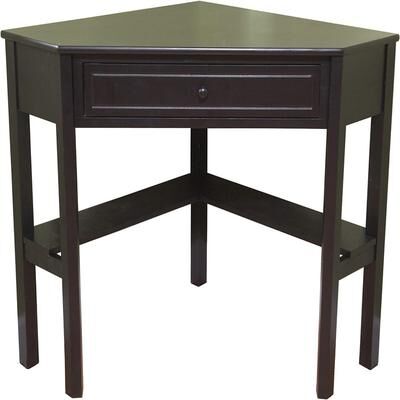
No Marketing Systems Wood Corner Desk"The corner desk measures 42"" X 28"" X 30"" And Weighs 42 lbs. Arrives with only minimal Assembly required. Comfortably fitting in any home, studio, apartment, and office, The small corner writing desk maximizes space in compact rooms."269,99 $*Shipping: 0,00 $Secure redirect to the provider
-
How is equity, debt capital, current assets, and fixed assets combined?
Equity, debt capital, current assets, and fixed assets are combined on a company's balance sheet. Equity represents the ownership interest of the shareholders, while debt capital represents the funds borrowed by the company. Current assets, such as cash, inventory, and accounts receivable, are combined with fixed assets, such as property, plant, and equipment, to represent the total assets of the company. These components are combined to provide a snapshot of the company's financial position and to show how the company has financed its operations and investments. **
-
What are brand assets?
Brand assets are the elements that contribute to the overall value and recognition of a brand. These can include tangible assets such as logos, slogans, and packaging, as well as intangible assets like brand reputation, customer loyalty, and brand associations. Brand assets help to differentiate a brand from its competitors, build brand awareness, and create a strong brand identity in the minds of consumers. They are essential for establishing a brand's presence in the market and fostering long-term relationships with customers. **
-
What are special assets?
Special assets refer to unique or high-value assets that require special attention and management due to their distinct characteristics or significance. These assets may include rare collectibles, high-end real estate, valuable intellectual property, or unique investment opportunities. Special assets often require specialized expertise and strategic planning to maximize their value and mitigate risks. Proper management of special assets is essential to ensure their preservation and to capitalize on their potential for long-term growth and financial success. **
-
What are fixed assets?
Fixed assets are long-term tangible assets that are used in the production of goods and services and are not intended for sale. These assets are essential for the operation of a business and are expected to provide benefits for more than one year. Examples of fixed assets include buildings, machinery, equipment, land, and vehicles. Fixed assets are recorded on the balance sheet and are typically depreciated over their useful life to reflect their gradual consumption or obsolescence. **
* All prices are inclusive of VAT and, if applicable, plus shipping costs. The offer information is based on the details provided by the respective shop and is updated through automated processes. Real-time updates do not occur, so deviations can occur in individual cases. ** Note: Parts of this content were created by AI.